
آلة طبئة جرائد رقميّة باستخدام تقنيك حق جك
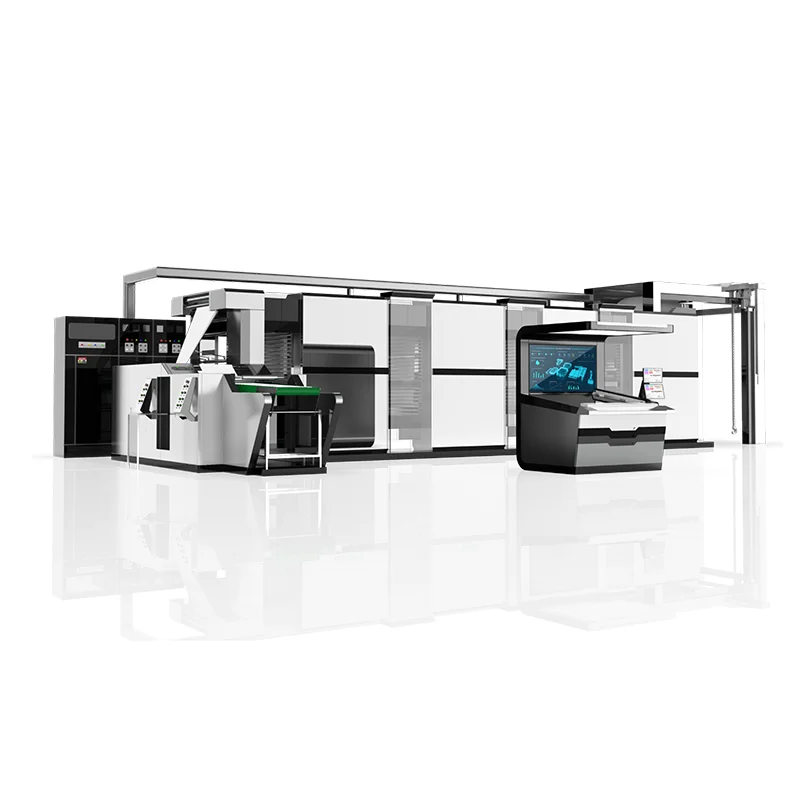
The McLantis DIGIMAC-NEWS66 Inkjet Newspaper Printing System is a high-speed, digital solution designed for the automated production of newspapers and short-run books. This system integrates digital inkjet printing with traditional post-press folding technology to achieve an efficient, "one-sheet-start" production workflow.
تكوين النظام و سير العمل
النظام يتكون من ثلاثة وحدات رئيسية التي تعمل في خط مستمر:
· Unwinding Unit: Supports paperrolls with a diameter of up to 1100mm.
· Inkjet Printing Unit: Features a 4+4double-sided four-color configuration for high-quality simultaneousprinting on both sides of the paper.
· Folding Unit (660 Folder): Aspecialized post-press module that performs cylinder cutting (750mm),sheet storage (1–6 sheets), and a single fold to produce finishednewspapers.
Technical Specifications
· Paper Width: 597mm.
· Printing Speed: Up to 150 metersper minute (for a single-sheet newspaper).
· Applicable Paper: Newsprint,woodfree paper, inkjet coated paper, and rice paper.
· Paper Grammage: Supportslightweight materials ranging from 35g to 80g.
· Folding Dimensions: The standardfold specification is 597mm x 375mm.
Core Technologies
1. High-Precision Inkjet System: Thesystem utilizes the latest high-speed circulating piezoelectricindustrial-grade nozzles, which support variable point printing and anaddressable resolution of up to 1200 x 1200 DPI. The circulatingink system helps eliminate air bubbles and prevents nozzle clogging,ensuring consistent print quality.
2. نظام التحكم كامل سيرفو: استبدال المح التقليدي و الأحمتي، نظام التحكم كامل سيرفو يسمح استجابة سريعة إلى أخطاء مثل انسدات ور أو تغذية ورور، مما يزيد استقرار المعدات.
3. Advanced Software Architecture:
· High-Speed RIP: Developed in collaboration with Peking University, the 64-bit parallel RIP system can process up to 1200 pages per minute, enabling seamless transitions between different printing jobs.
· Color Management: An independent CMM system and ICC generation technology provides automatic color calibration and dynamic ink compensation.
· Variable Data: Supports real-time printing of variable text, barcodes, and images, which is essential for customized or secure printing applications.
Operational Advantages
The DIGIMAC-NEWS66 system is specifically optimized for stability at high speeds. Unlike some lightweight equipment that experiences high jam rates above 80m/min, this folding unit remains stable at 120m/min to 150m/min. It features a touchscreen interface for easily adjusting the number of stored sheets (1–6 copies) and includes jam detection with emergency stop functionality to protect the hardware and reduce waste. This combination of digital flexibility and industrial-grade stability makes it ideal for modern newspaper production.
Watch the video at https://www.youtube.com/watch?v=oNFHqN0b_Uo


| النموذج | DIGIMAC-NEWS66 |
|---|---|
| عرض الورق | 597 mm |
| الحد الأقصى لقطر أسطوانة الورق | 1100 mm |
| وزن الورق (جم/م²) | 35g – 80g |
| الوسيط القابل للتطبيق | Newsprint, Woodfree paper, Inkjet coated paper, and Rice paper |
| الحد الأقصى لسرعة الطباعة | 150 متر/دقيقة (للأحدية جريدة) |
| تقنية رأس الطباعة | High-speed circulating on-demand piezoelectric industrial grade |
| الدقة القابلة للعنونة | 600 x 600 dpi, 600 x 1200 dpi, 1200 x 1200 dpi |
| تكوين الألوان | 4+4 (دو طرف، أربعة ألوان) |
| حجم القطع | 597 مم (عرض) x 750 مم (طبله قطع) |
| مواصفات الطي | أول طي: 597 مم x 375 مم |
| سعة تخزين الأوراق | 1 إلى 6 ورقات (قابل ضبط عبر شاشة اللمسية) |
| نظام التحكم | Full servo control system (replacing traditional motors/belts) |
| نظام الأمان | Paper jam detection and emergency stop |
| قدرات البرنامج | Distributed high-speed RIP, color management (CMM), and variable data processing |
| الجهد والقدرة | 380V؛ أقصى طاقة 60 كواط |
| بيئة التشغيل | درجة الحرارة: 22.5–27.5°C; الرطوبة: 40%–70% |
Frequently Asked Questions
ما هو آلة طبئة جرائد رقميّة باستخدام تقنيك حق جك؟
The McLantis DIGIMAC-NEWS66 Inkjet Newspaper Printing System is a high-speed, digital solution designed for the automated production of newspapers and sho…
About McLantis & Ordering FAQ
About McLantis Technology
What is laser direct imaging (LDI) and how does it work?
LDI (Laser Direct Imaging) uses a focused laser — driven by our proprietary Laser MEMS and DLP digital optics — to expose circuit patterns directly onto photoresist-coated boards, replacing traditional film and contact exposure. It delivers micron-level registration, higher yields and faster job setup for PCB and advanced packaging production.
What is computer-to-screen (CTS)?
CTS (Computer-to-Screen) writes the screen image directly onto the emulsion-coated mesh with a digital optical head, eliminating film, capillary film and manual exposure. It is the standard prepress step for textile, ceramic, glass and industrial screen printing.
Which industries do McLantis systems serve?
Our direct-imaging and prepress equipment is used across PCB fabrication, screen printing, textile and ceramic decoration, glass and packaging, and precision micro-fabrication — from prototyping shops to high-volume factories worldwide.
Products & Customization
What product lines does McLantis offer?
We offer LDI laser direct imaging systems, CTS computer-to-screen systems, CTP platesetters, digital inkjet printing lines, and custom DLP / Laser-MEMS micro-fabrication lines built on shared precision motion-control and optical platforms.
Can McLantis equipment be customized for my process?
Yes. Beyond standard models, we design custom exposure and imaging lines — different fields of view, resolutions, substrates and throughput — around our modular Laser MEMS and DLP engine. Share your substrate size, resolution and capacity targets and our engineers will propose a configuration.
What substrates and software are supported?
Systems handle standard PCB substrates, screen meshes, plates and roll or sheet media. Imaging is driven by open file workflows (Gerber, PDF, TIFF) and is compatible with mainstream RIP and prepress software; our team assists with integration during installation.
Ordering, Pricing & Lead Time
How do I request a quote?
Use the inquiry form on our Contact page or email info@mclantisgroup.com with your application, substrate, resolution and target throughput. Our sales engineers reply within 48 hours with a configuration and quotation.
What is the typical lead time and minimum order quantity?
Standard models typically ship in 4–8 weeks; customized lines are quoted case by case. The minimum order quantity is one unit, and we support single-machine pilot deployments before line-scale rollout.
What warranty and after-sales coverage is included?
Every system ships with a standard 12-month warranty covering the optical engine, motion system and controls, with global technical support, remote diagnostics and on-site service options through our regional bases.
Support, Installation & Service
Do you provide installation and operator training?
Yes. Each system is delivered with on-site or remote installation, calibration and hands-on operator training so your team can run production confidently from day one.
How are spare parts and long-term service handled?
We stock critical spares at our regional manufacturing bases and ship globally. Preventive-maintenance plans, firmware updates and lifetime technical support keep your line running throughout its service life.
Do you support export, shipping and local compliance?
We export worldwide with experience across Asia, Europe, the Americas, the Middle East and Africa. Equipment is built to meet common electrical and safety standards, and we handle documentation, crating and freight to your port.