
الملقاط الرقمي
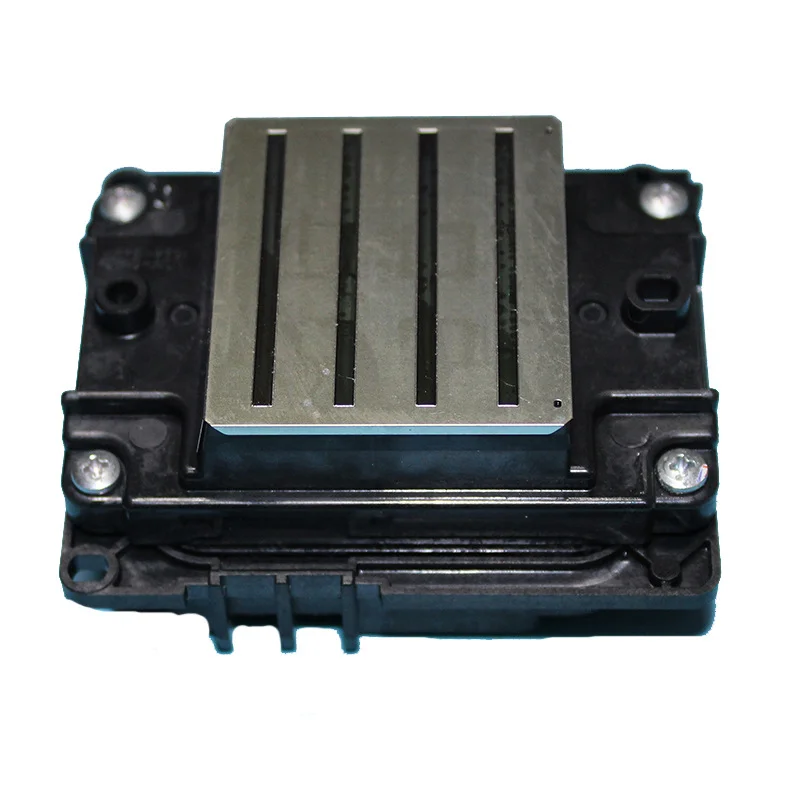
تنتج مكلانتيس ملقطًا من فئة العالم الأولى، ملقطًا للطباعة، ملقطًا رقميًا
يُعد ملقط الطباعة هو المكون الأهم في الطابعة، الطابعة الحبرية، والطابعة الحبرية. تحدد جودة ملقط الطباعة أكثر من 90% من التأثير والجودة في رسم الآلة. ومع ذلك، فإن ملقط الطباعة هو الأكثر تكلفة بينها والأكثر عرضة للتلف. بسبب هذه الخصائص، يقوم المصنّع بإجراء اختبارات صارمة قبل أن يغادر الملقط المصنع، ولا توجد مشاكل جودة.
الاحتياطات عند استبدال الملقط:
1. بعد استلام الملقط المشترى من شركتنا، عد إلى استخدام إبرة لحقن الماء لفحص الملقط لتحديد ما إذا كان مسدودًا. هذه ممارسة مفرطة وخطيرة للغاية. أولاً، بمجرد دخول ملقط الماء، يمكن تشغيل الآلة قبل أن يجف، مما يؤدي إلى حرق اللوحة بالضوء، وحرق الملقط في الحالات الشديدة؛ ثانيًا، تم اختبار الملقطات المباعة من متجرنا بصرامة وتم شحنها فقط بعد اختبارها، وتم تغليفها بسائل حماية. إذا حققت الماء في الملقط بإبرة، فلن يتم إزالة السائل الحماية من الملقط فقط، بل أيضًا بسبب الضغط المرتفع لليد، من السهل أن تسبب مسدودة الهواء في الملقط، مما يؤدي إلى عدم وجود حبر.
2. سطح الملقط هو جدًا حساس ويجب ألا يُضرب، لذا تأكد من حمايته. سطحه هو قطعة من الألمنيوم، والطبقة الداخلية مغطاة بمحور بلورة كريستالية ونبضات حبر صغيرة جدًا. عند اللمس، فإنه ينحني أو يتشوه أو حتى يُكسر، وبالتالي يُفقد الملقط قيمته.
3. عند تركيب الملقط، تأكد من إيقاف الكهرباء أولًا وتركيبه في مكانه. بعد التركيب، اسحب عربة اليد لليسار واليمين لفحص إذا كان سلسًا. لا تُشغل الكهرباء بعد التركيب، لأن إذا لم يكن الملقط في مكانه، فإن العربة ستجد ملقطها يُكسر بسهولة عند الحركة، ويمكن لليد الشعور بذلك، ويمكن سحبه بسهولة، وله قابلية تحكم قوية.
4. عند الاتصال بسلك الكابل، لا تستخدم الحبر، وتأكد من أن الاتصال جيد مع منفذ الكهرباء ولا يلمس الأقدام، وإلا فإن الملقط سيتعرض للكهرباء المفرطة وحرق.
5. يجب أن يكون المحور المعدني نظيفًا وسلسًا. يمكن مسحه بمنديل ورق مع زيت التشحيم. لا تضيف الزيت مباشرة على المحور. فإن الزيت الزائد سيتدفق إلى الملقط ويسبب ضررًا.
6. بعد تصحيح الآلات والمراحل الكهربائية، يجب التحقق من الدائرة المائية. أولاً، تحقق من كمية الماء في علبة الحبر غير الكافية؛ ثانيًا، تحقق من نظافة شفرة التنظيف الصغيرة ومضخة استخراج الحبر.
7. سيكون هناك هواء في الملقط الجديد، وبالتالي لن يكون الطباعة طبيعية فورًا. فقط بعد إخراج الهواء من الملقط تمامًا، يمكن إنتاج الخطوط بشكل طبيعي؛ أولاً، يمكن استخدام تنظيف متقطع (تنظيف فقط مرتين في المرة الواحدة، ثم الانتظار لمدة 30 دقيقة. بعد التنظيف مرتين أخرى) التنظيف المفرط سيؤدي إلى تراكم الحبر في مضخة التنظيف، مما يؤدي إلى تلوث الألوان أثناء الطباعة، تسرب الحبر، و lãng phí الحبر؛ ثانيًا، يمكنك طباعة صور أكثر لترك الملقط يخرج الهواء أثناء العمل؛ مرة أخرى، إذا كانت الآلة تخرج أنبوب استنزاف الحبر، يمكنك إيقاف الكهرباء أولًا، ثم استخدام سلنجر لتغطية أنبوب المطاط لاستخراج أنبوب استنزاف الحبر حتى يتم سحب 3-5 مل من الحبر، ثم تشغيله مرة أخرى، واستخدام الآلة لتنظيفها بشكل طبيعي، وهو ما يعادل إخراج الهواء في الملقط بشكل اصطناعي، والتأثير الجانبية هو أن يسبب تراكم الحبر في مضخة التنظيف.
Frequently Asked Questions
ما هو الملقاط الرقمي؟
تنتج مكلانتيس ملقطًا من فئة العالم الأولى، ملقطًا للطباعة، ملقطًا رقميًا تصوير ليزر دقيق ومعدات ما قبل الطباعة للطباعة ولوحات الدوائر المطبوعة والتصنيع ال…
About McLantis & Ordering FAQ
About McLantis Technology
What is laser direct imaging (LDI) and how does it work?
LDI (Laser Direct Imaging) uses a focused laser — driven by our proprietary Laser MEMS and DLP digital optics — to expose circuit patterns directly onto photoresist-coated boards, replacing traditional film and contact exposure. It delivers micron-level registration, higher yields and faster job setup for PCB and advanced packaging production.
What is computer-to-screen (CTS)?
CTS (Computer-to-Screen) writes the screen image directly onto the emulsion-coated mesh with a digital optical head, eliminating film, capillary film and manual exposure. It is the standard prepress step for textile, ceramic, glass and industrial screen printing.
Which industries do McLantis systems serve?
Our direct-imaging and prepress equipment is used across PCB fabrication, screen printing, textile and ceramic decoration, glass and packaging, and precision micro-fabrication — from prototyping shops to high-volume factories worldwide.
Products & Customization
What product lines does McLantis offer?
We offer LDI laser direct imaging systems, CTS computer-to-screen systems, CTP platesetters, digital inkjet printing lines, and custom DLP / Laser-MEMS micro-fabrication lines built on shared precision motion-control and optical platforms.
Can McLantis equipment be customized for my process?
Yes. Beyond standard models, we design custom exposure and imaging lines — different fields of view, resolutions, substrates and throughput — around our modular Laser MEMS and DLP engine. Share your substrate size, resolution and capacity targets and our engineers will propose a configuration.
What substrates and software are supported?
Systems handle standard PCB substrates, screen meshes, plates and roll or sheet media. Imaging is driven by open file workflows (Gerber, PDF, TIFF) and is compatible with mainstream RIP and prepress software; our team assists with integration during installation.
Ordering, Pricing & Lead Time
How do I request a quote?
Use the inquiry form on our Contact page or email info@mclantisgroup.com with your application, substrate, resolution and target throughput. Our sales engineers reply within 48 hours with a configuration and quotation.
What is the typical lead time and minimum order quantity?
Standard models typically ship in 4–8 weeks; customized lines are quoted case by case. The minimum order quantity is one unit, and we support single-machine pilot deployments before line-scale rollout.
What warranty and after-sales coverage is included?
Every system ships with a standard 12-month warranty covering the optical engine, motion system and controls, with global technical support, remote diagnostics and on-site service options through our regional bases.
Support, Installation & Service
Do you provide installation and operator training?
Yes. Each system is delivered with on-site or remote installation, calibration and hands-on operator training so your team can run production confidently from day one.
How are spare parts and long-term service handled?
We stock critical spares at our regional manufacturing bases and ship globally. Preventive-maintenance plans, firmware updates and lifetime technical support keep your line running throughout its service life.
Do you support export, shipping and local compliance?
We export worldwide with experience across Asia, Europe, the Americas, the Middle East and Africa. Equipment is built to meet common electrical and safety standards, and we handle documentation, crating and freight to your port.