
デジタル印刷ノズル
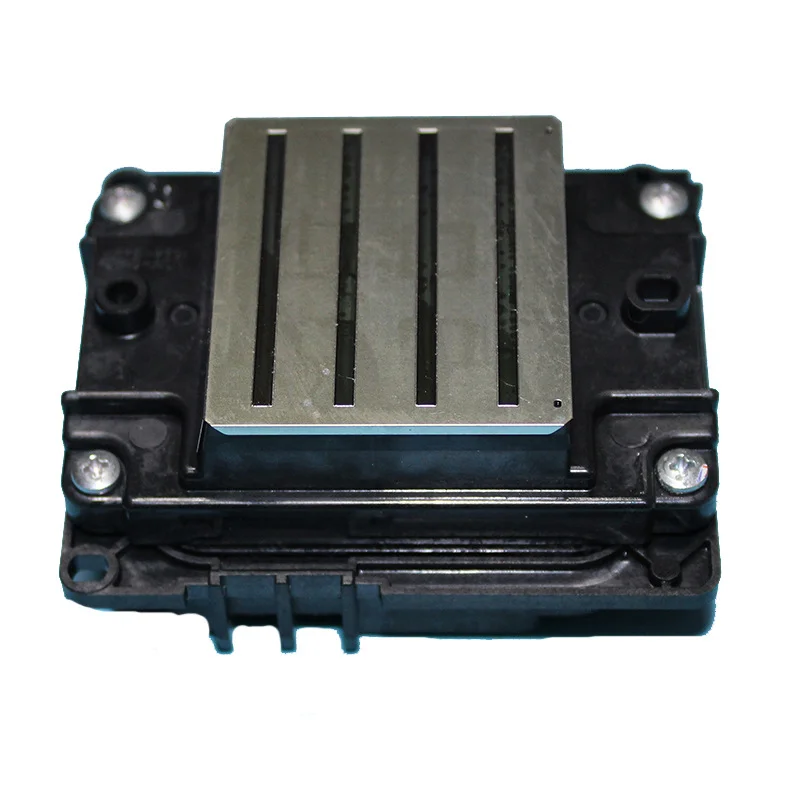
| McLantisは世界初のクラスのノズル、印刷ノズル、デジタルノズルを製造しています | プリントヘッドはプリンター、インクジェットプリンター、インクジェットプリンターの最も核心的な部品です。機械の描画の効果や品質の90%以上はプリントヘッドの品質によって決まります。しかし、プリントヘッドはその中で最も高価で、最も簡単に破損する部品です。このような特徴のために、メーカーはノズルが工場を出る前にさまざまな厳しいテストを行っています。品質の問題は発生しません。 |
|---|---|
| ノズル交換の注意点: | 1. 当社から購入したノズルを受領した後、針を使って水を注入してノズルが詰まっていないか確認する必要があります。これは非常に冗長で危険な実践です。まず、一旦スプリンクラーヘッドに水が入ると、乾燥する前に機械を起動すると、光で基板が焼け、最悪の場合ヘッドが焼けます。次に、当店で販売されているスプリンクラーは厳密にテストされ、保護液が含まれた状態で出荷されています。針でヘッドに水を注入すると、ヘッド内の保護液が洗い流され、また手の圧力が高いため、ノズルの空気詰まりを引き起こし、インクが出なくなることがあります。 |
2. ノズルのヘッド表面は非常に脆く、衝撃を受けると破損する可能性がありますので、保護してください。表面はアルミニウムの板で、内側にはクリスタル振動子と非常に小さなインクチューブがコーティングされています。触れると凹んだり、変形したり、破損したりするため、ノズルは廃棄されます。
3. プリントヘッドの取り付けには注意が必要です。取り付け前に必ず電源を切ってください。取り付け後は、手でトレイを左右に動かしてスムーズかどうか確認してください。取り付け後に電源を入れないでください。なぜなら、ヘッドが正しく位置していない場合、トレイが動くとヘッドが簡単に破損する可能性があるからです。人の手で感じることができ、自由に引き戻すことができ、強い制御性があります。
4. プラグケーブルを接続する際は、インクを含まないようにし、ソケットとしっかり接触し、足に触れないようにしてください。そうしないとノズルが短絡して焼けます。
5. スチールシャフトも清潔で滑らかである必要があります。紙のタオルに少量の潤滑油を塗って拭くことができます。シャフトに直接油を加えるのは避けてください。過剰な油はノズルに流れ込み、損傷を引き起こします。
6. メカニズムと回路が正しい後、ウォーターサイクルを確認する必要があります。まず、インクカートリッジ内の水の量が不足しているか確認してください。次に、小さなクリーニングブレードとインク吸い上げポンプが汚れているか確認してください。
7. 新しく取り付けたノズルには空気が含まれているため、すぐに印刷が正常ではありません。ノズル内の空気が完全に排出されるまで、ラインが正常に生成されません。まず、間欠的なクリーニングを使用してください(一度にクリーン2回、その後30分間停止。クリーン2回を繰り返す)過剰なクリーニングはクリーニングポンプにインクを蓄積させ、印刷が色を混ぜたり、インク漏れを引き起こしたり、インクを浪費したりするだけでなく、インクを無駄にします。次に、より多くの画像を印刷して、作業中にノズルの空気を排出させることができます。また、機械に廃インクチューブが接続されている場合、まず電源を切ってから、シリンジを使ってゴムチューブを覆って、廃インクチューブから3〜5mlのインクを吸い出すまで、その後電源を入れて、機械で通常のクリーニングを行います。これは人工的にノズル内の空気を引き出すことと同等であり、クリーニングポンプにインクを蓄積しやすくなる副作用があります。
Frequently Asked Questions
デジタル印刷ノズルとは?
プリントヘッドはプリンター、インクジェットプリンター、インクジェットプリンターの最も核心的な部品です。機械の描画の効果や品質の90%以上はプリントヘッドの品質によって決まります。しかし、プリントヘッドはその中で最も高価で、最も簡単に破損する部品です。このような特徴のために、メーカーはノズルが工場を出る前にさ…
About McLantis & Ordering FAQ
About McLantis Technology
What is laser direct imaging (LDI) and how does it work?
LDI (Laser Direct Imaging) uses a focused laser — driven by our proprietary Laser MEMS and DLP digital optics — to expose circuit patterns directly onto photoresist-coated boards, replacing traditional film and contact exposure. It delivers micron-level registration, higher yields and faster job setup for PCB and advanced packaging production.
What is computer-to-screen (CTS)?
CTS (Computer-to-Screen) writes the screen image directly onto the emulsion-coated mesh with a digital optical head, eliminating film, capillary film and manual exposure. It is the standard prepress step for textile, ceramic, glass and industrial screen printing.
Which industries do McLantis systems serve?
Our direct-imaging and prepress equipment is used across PCB fabrication, screen printing, textile and ceramic decoration, glass and packaging, and precision micro-fabrication — from prototyping shops to high-volume factories worldwide.
Products & Customization
What product lines does McLantis offer?
We offer LDI laser direct imaging systems, CTS computer-to-screen systems, CTP platesetters, digital inkjet printing lines, and custom DLP / Laser-MEMS micro-fabrication lines built on shared precision motion-control and optical platforms.
Can McLantis equipment be customized for my process?
Yes. Beyond standard models, we design custom exposure and imaging lines — different fields of view, resolutions, substrates and throughput — around our modular Laser MEMS and DLP engine. Share your substrate size, resolution and capacity targets and our engineers will propose a configuration.
What substrates and software are supported?
Systems handle standard PCB substrates, screen meshes, plates and roll or sheet media. Imaging is driven by open file workflows (Gerber, PDF, TIFF) and is compatible with mainstream RIP and prepress software; our team assists with integration during installation.
Ordering, Pricing & Lead Time
How do I request a quote?
Use the inquiry form on our Contact page or email info@mclantisgroup.com with your application, substrate, resolution and target throughput. Our sales engineers reply within 48 hours with a configuration and quotation.
What is the typical lead time and minimum order quantity?
Standard models typically ship in 4–8 weeks; customized lines are quoted case by case. The minimum order quantity is one unit, and we support single-machine pilot deployments before line-scale rollout.
What warranty and after-sales coverage is included?
Every system ships with a standard 12-month warranty covering the optical engine, motion system and controls, with global technical support, remote diagnostics and on-site service options through our regional bases.
Support, Installation & Service
Do you provide installation and operator training?
Yes. Each system is delivered with on-site or remote installation, calibration and hands-on operator training so your team can run production confidently from day one.
How are spare parts and long-term service handled?
We stock critical spares at our regional manufacturing bases and ship globally. Preventive-maintenance plans, firmware updates and lifetime technical support keep your line running throughout its service life.
Do you support export, shipping and local compliance?
We export worldwide with experience across Asia, Europe, the Americas, the Middle East and Africa. Equipment is built to meet common electrical and safety standards, and we handle documentation, crating and freight to your port.