
Emulsion لمطاط الطباعة على Steel Pad
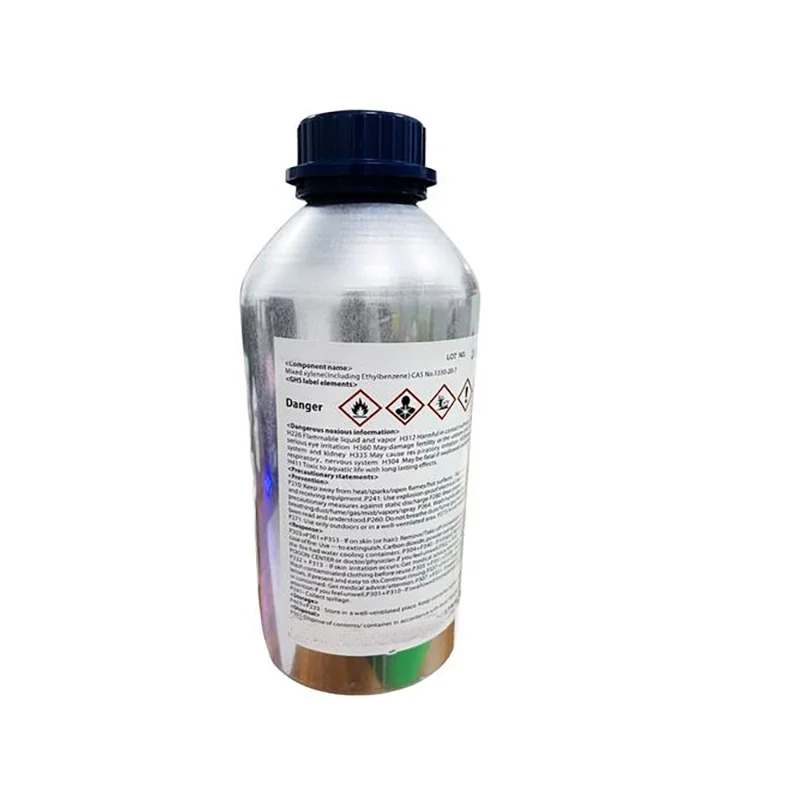
الضو حسيتية إيمولشن لل طيغرافى هو ضو حسيتية ماديا ل صياح طيغرافى ستيل طلات. هو ليتل يلو ترانسپارنت و حاس ليدور. هو حاس اسيد و كوروزين ريزستانس و پلاز إيمپورتانت رول في إيتشنگ پروسس.
1. اختيار لوحة فولاذية: اختر اللوحة فولاذية المناسبة وفقًا إلى متطلبات العملاء، مثل فولاذ سمع، فولاذ رقيق، أو لوحة ريزن.
2. Steel Plate Cleaning: Use a rag dipped in white spirit to clean the surface of the steel plate.
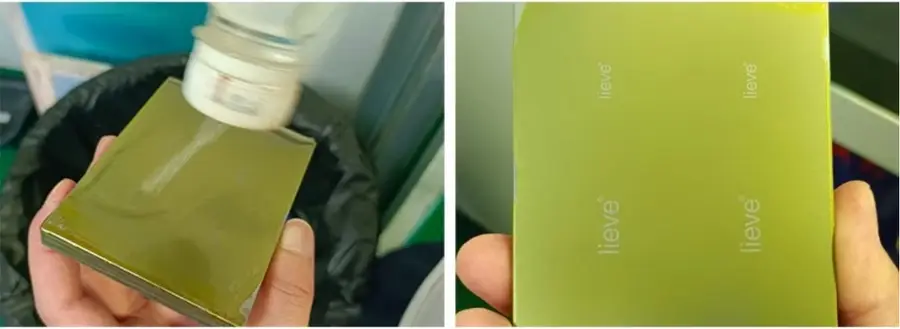
3. طلاء مع حسيتية: تطبيق حسيتية على سطح اللوحة للطبع باستخدام طلاء يدوي أو طلاء دوار، أو طلاء غط، أو طلاء رذير، لتغطية السطح بشكل متساوي.
4. Drying: Place the coated pad printing plate in a drying oven for drying at a temperature of approximately 120-150°C for 10-15 minutes.
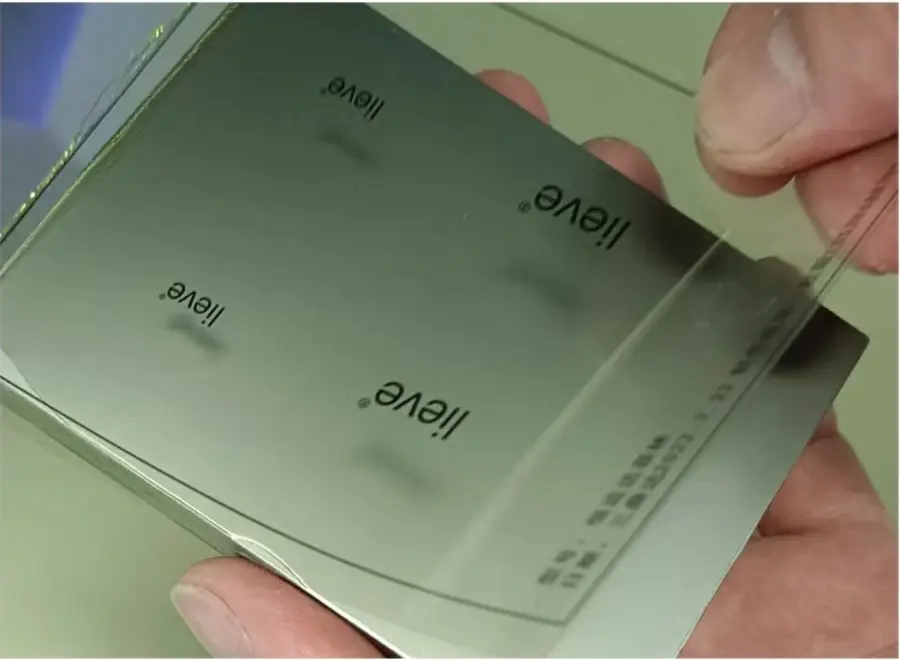
5. Plate Exposure: Attach the photoresist film to the appropriate location on the surface of the pad printing plate and place it in the plate exposure machine for exposure. At 500W power, the exposure time is approximately 30 seconds to 1 minute. (The exposure time varies depending on the plate exposure machine power and the size of the design.)
6. Development: Quickly apply developer water for about 10 seconds. Once a clear latent image appears on the plate surface, rinse with clean water to remove any impurities. Dry the plate at approximately 40-50°C
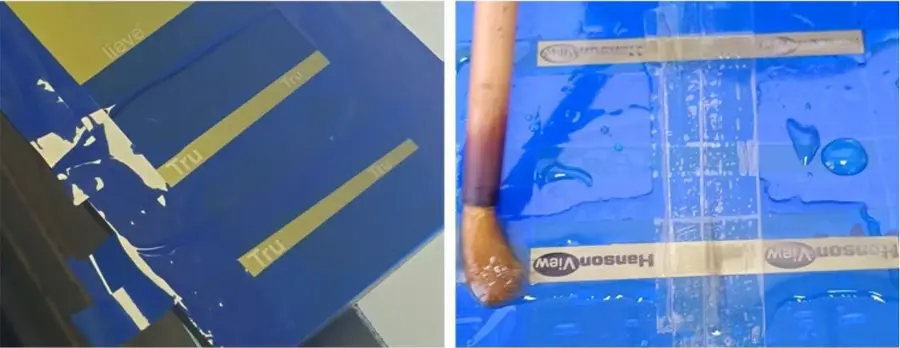
7. لمسات: استخدم شريط لاصي لتغطية الحواح لا تحتاج نحت، وأض لمسات عناية لضمان عدم ظهور أي ثغرات غير ضرائية في المنطقة المطبوعة.
8. النحت: بعد اللمداد، تجفف اللوحة مرة مرة. استخدم فرشاة غارقة في ماء نحت لتكنى منطقة الصورة الخفينة بشكلًا بشكلًا لمدة حوالي 40 ثوان، حتى تظهر آبار الصورة واضحة. (وقت نحت يختلف حسب تركيز ماء نحت و حجم التصميم.)
9. تنظيف: إزالة الشريط اللاصيق، غسيل الماء من التمسك، و مسح أي بقايا من الضليج مع المذيب. قياس عمرة لوحة إذا ضر، الحفاظ بين 19-23 ميكرون.
10. التخزين: بعد التطوير، راع سطح فولاذية مع زيت مضاد لتخفيف التآكل.
Frequently Asked Questions
ما هو Emulsion لمطاط الطباعة على Steel Pad؟
الضو حسيتية إيمولشن لل طيغرافى هو ضو حسيتية ماديا ل صياح طيغرافى ستيل طلات. هو ليتل يلو ترانسپارنت و حاس ليدور. هو حاس اسيد و كوروزين ريزستانس و پلاز إيمپ…
About McLantis & Ordering FAQ
About McLantis Technology
What is laser direct imaging (LDI) and how does it work?
LDI (Laser Direct Imaging) uses a focused laser — driven by our proprietary Laser MEMS and DLP digital optics — to expose circuit patterns directly onto photoresist-coated boards, replacing traditional film and contact exposure. It delivers micron-level registration, higher yields and faster job setup for PCB and advanced packaging production.
What is computer-to-screen (CTS)?
CTS (Computer-to-Screen) writes the screen image directly onto the emulsion-coated mesh with a digital optical head, eliminating film, capillary film and manual exposure. It is the standard prepress step for textile, ceramic, glass and industrial screen printing.
Which industries do McLantis systems serve?
Our direct-imaging and prepress equipment is used across PCB fabrication, screen printing, textile and ceramic decoration, glass and packaging, and precision micro-fabrication — from prototyping shops to high-volume factories worldwide.
Products & Customization
What product lines does McLantis offer?
We offer LDI laser direct imaging systems, CTS computer-to-screen systems, CTP platesetters, digital inkjet printing lines, and custom DLP / Laser-MEMS micro-fabrication lines built on shared precision motion-control and optical platforms.
Can McLantis equipment be customized for my process?
Yes. Beyond standard models, we design custom exposure and imaging lines — different fields of view, resolutions, substrates and throughput — around our modular Laser MEMS and DLP engine. Share your substrate size, resolution and capacity targets and our engineers will propose a configuration.
What substrates and software are supported?
Systems handle standard PCB substrates, screen meshes, plates and roll or sheet media. Imaging is driven by open file workflows (Gerber, PDF, TIFF) and is compatible with mainstream RIP and prepress software; our team assists with integration during installation.
Ordering, Pricing & Lead Time
How do I request a quote?
Use the inquiry form on our Contact page or email info@mclantisgroup.com with your application, substrate, resolution and target throughput. Our sales engineers reply within 48 hours with a configuration and quotation.
What is the typical lead time and minimum order quantity?
Standard models typically ship in 4–8 weeks; customized lines are quoted case by case. The minimum order quantity is one unit, and we support single-machine pilot deployments before line-scale rollout.
What warranty and after-sales coverage is included?
Every system ships with a standard 12-month warranty covering the optical engine, motion system and controls, with global technical support, remote diagnostics and on-site service options through our regional bases.
Support, Installation & Service
Do you provide installation and operator training?
Yes. Each system is delivered with on-site or remote installation, calibration and hands-on operator training so your team can run production confidently from day one.
How are spare parts and long-term service handled?
We stock critical spares at our regional manufacturing bases and ship globally. Preventive-maintenance plans, firmware updates and lifetime technical support keep your line running throughout its service life.
Do you support export, shipping and local compliance?
We export worldwide with experience across Asia, Europe, the Americas, the Middle East and Africa. Equipment is built to meet common electrical and safety standards, and we handle documentation, crating and freight to your port.