
ネガティブサーマルCTPプレート
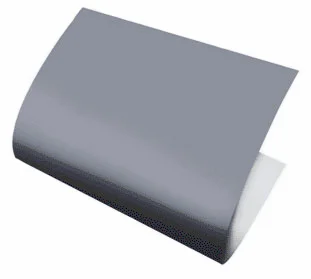
McLantisは世界初のクラスのネガティブCTPプレート、ネガティブサーマルプレート、ネガティブサーマルCTPプレートを製造しています
高い互換性と環境にやさしい ネガティブサーマルプレートは、ほとんどの既存のサーマルプレートセッターと互換性があり、新しい機器を購入する必要がありません。洗浄工程では、PH値9〜10の開発剤を選択することで、プロセスが環境にやさしくなります。または、低化学開発剤を選択することで、環境にやさしくかつ互換性があります。
優れた印刷性能 このプレートは優れた印刷性能を提供します:迅速な立ち上げ、インク/ウォーターバランスの安定性、停止後の迅速な再開。操作が簡単でコスト効率が高く、未焼成プレートと通常インクでは最大200,000回、未焼成プレートとUVインクでは最大100,000回の印刷が可能です(画像および印刷条件に依存)。
細かな画像再現 ネガティブサーマルプレートは、200lpi、1〜99%のドット再現を実現し、満足のいく印刷結果を提供します。
| 项目(こうむ) | McLantis负性热敏CTP版 |
|---|---|
| 厚度(道す) | 0.15 - 0.40 mm |
| 光谱灵敏度(せんこう かんチビ多度) | 830 nm |
| 曝光能量 | 90 - 120 mj/cm2 (varies based on platesetter manufacturer and developing condition) |
| 解析度(かいせりど) | 1% - 99%@200lpi |
| 露光量(ろこうりょう) | 250,000 实际运行长度可能因印刷机、油墨和纸张状况而异。 (さいかつろん多库多伦 马伊 瓦里 阿科多恩 普雷斯、恩克 安多 帕帕 肯迪申。) |
| 显影 | Low chem PVD developer |
| 烘烤(こうか) | 不推荐(ふり肯戴) |
| 安全光(安ぜんこう) | one hour under fluorescent light without natural light direct irradiation, 4 hours under yellow light |
| 保质期(はえしき) | 12 months under recommended storage conditions (10 - 26 degree Celsius, relative humidity: ≤70%, stacking height ≤ 1.5 meter) |
Frequently Asked Questions
ネガティブサーマルCTPプレートの主な仕様は?
厚度(道す): 0.15 - 0.40 mm; 光谱灵敏度(せんこう かんチビ多度): 830 nm; 曝光能量: 90 - 120 mj/cm2 (varies based on platesetter manufacturer and developing condition); 解析度(かいせりど): 1% - 99%@200lpi; 露光量(ろこうりょう): 250,000 实际运行长度可能因印刷机、油墨和纸张状况而异。 (さいかつろん多库多伦 马伊 瓦里 阿科多恩 普雷斯、恩克 安多 帕帕 肯迪申。); 显影: Low chem PVD developer; 烘烤(こうか): 不推荐(ふり肯戴); 安全光(安ぜんこう): one hour under fluorescent light without natural light direct irradiation, 4 hours under yellow light
About McLantis & Ordering FAQ
About McLantis Technology
What is laser direct imaging (LDI) and how does it work?
LDI (Laser Direct Imaging) uses a focused laser — driven by our proprietary Laser MEMS and DLP digital optics — to expose circuit patterns directly onto photoresist-coated boards, replacing traditional film and contact exposure. It delivers micron-level registration, higher yields and faster job setup for PCB and advanced packaging production.
What is computer-to-screen (CTS)?
CTS (Computer-to-Screen) writes the screen image directly onto the emulsion-coated mesh with a digital optical head, eliminating film, capillary film and manual exposure. It is the standard prepress step for textile, ceramic, glass and industrial screen printing.
Which industries do McLantis systems serve?
Our direct-imaging and prepress equipment is used across PCB fabrication, screen printing, textile and ceramic decoration, glass and packaging, and precision micro-fabrication — from prototyping shops to high-volume factories worldwide.
Products & Customization
What product lines does McLantis offer?
We offer LDI laser direct imaging systems, CTS computer-to-screen systems, CTP platesetters, digital inkjet printing lines, and custom DLP / Laser-MEMS micro-fabrication lines built on shared precision motion-control and optical platforms.
Can McLantis equipment be customized for my process?
Yes. Beyond standard models, we design custom exposure and imaging lines — different fields of view, resolutions, substrates and throughput — around our modular Laser MEMS and DLP engine. Share your substrate size, resolution and capacity targets and our engineers will propose a configuration.
What substrates and software are supported?
Systems handle standard PCB substrates, screen meshes, plates and roll or sheet media. Imaging is driven by open file workflows (Gerber, PDF, TIFF) and is compatible with mainstream RIP and prepress software; our team assists with integration during installation.
Ordering, Pricing & Lead Time
How do I request a quote?
Use the inquiry form on our Contact page or email info@mclantisgroup.com with your application, substrate, resolution and target throughput. Our sales engineers reply within 48 hours with a configuration and quotation.
What is the typical lead time and minimum order quantity?
Standard models typically ship in 4–8 weeks; customized lines are quoted case by case. The minimum order quantity is one unit, and we support single-machine pilot deployments before line-scale rollout.
What warranty and after-sales coverage is included?
Every system ships with a standard 12-month warranty covering the optical engine, motion system and controls, with global technical support, remote diagnostics and on-site service options through our regional bases.
Support, Installation & Service
Do you provide installation and operator training?
Yes. Each system is delivered with on-site or remote installation, calibration and hands-on operator training so your team can run production confidently from day one.
How are spare parts and long-term service handled?
We stock critical spares at our regional manufacturing bases and ship globally. Preventive-maintenance plans, firmware updates and lifetime technical support keep your line running throughout its service life.
Do you support export, shipping and local compliance?
We export worldwide with experience across Asia, Europe, the Americas, the Middle East and Africa. Equipment is built to meet common electrical and safety standards, and we handle documentation, crating and freight to your port.